Buffalo, NY Sewer Line & Trenchless Repair Pros
Sewer Line Repair in North Tonawanda, NY
Fast diagnostics and trenchless options that protect your yard.
Reliable help for North Tonawanda sewers
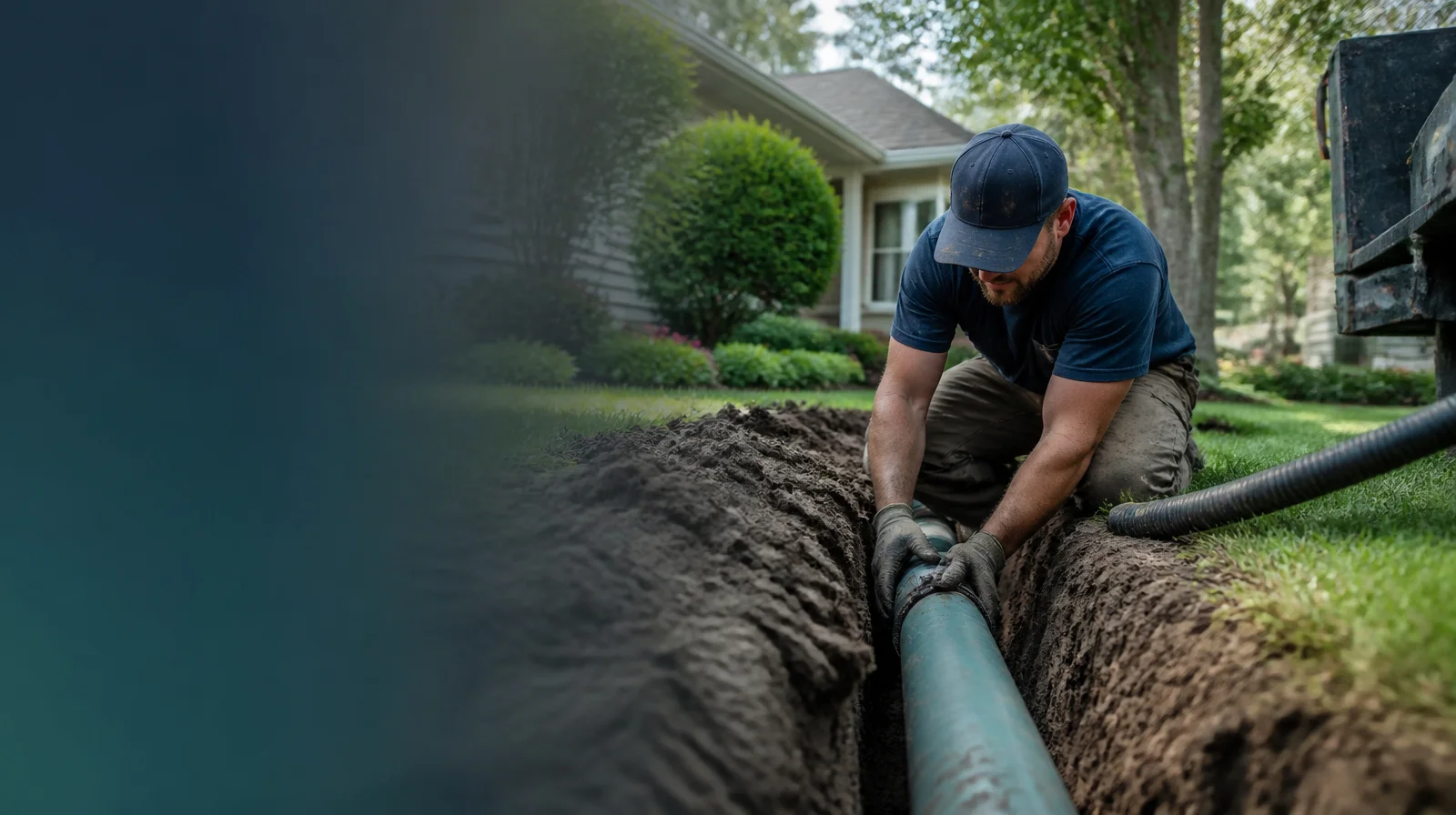
Sewer line repair in North Tonawanda, NY is easier with a local match. Sewer Line Repair Buffalo NY connects homeowners in North Tonawanda, NY with local sewer line repair pros who handle repairs, trenchless options, hydro jetting, and septic service.
You get support from contractors who understand the riverfront soils, older laterals, and busy streets around Payne Avenue, Sweeney Street, and Twin Cities Memorial Highway (NY‑425). They plan work to minimize digging, protect landscaping, and keep driveways and sidewalks intact when the pipe allows.
Dispatch is from Buffalo, NY, so travel is efficient across I‑190, I‑290, and River Road (NY‑266). For urgent issues, the line at (716) 274-5808 is monitored 24/7 so help can be coordinated quickly.
Matched pros explain findings in plain language, share video from inspections when available, and outline options that fit your property. Pricing depends on the job; see sewer line repair costs in North Tonawanda for typical factors.
Sewer service for North Tonawanda homes
North Tonawanda, NY sits at the meeting of the Niagara River and Tonawanda Creek, with a mix of older homes, mid‑century neighborhoods, and busy commercial corridors. That variety brings different sewer needs. Some laterals are original clay or cast‑iron, which can shift, crack, or invite tree roots. Others are newer PVC but still face grease buildup or improper slope at joints. Matched local pros work across town, from streets near the Riviera Theatre and the Herschell Carrousel Factory Museum to blocks by Gratwick Waterfront Park and the river.
The focus is simple: find the problem fast, clear the line, and choose the least disruptive fix. When the pipe is a good candidate, trenchless methods limit digging and keep lawns, patios, and sidewalks in place. When excavation is needed, crews keep the footprint tight and restore disturbed areas neatly.
Getting to you from Buffalo
Crews travel from Buffalo, NY using routes that keep arrival times predictable. For west‑side addresses near River Road (NY‑266) and the Niagara River, they typically follow I‑190 north and continue along River Road into North Tonawanda. For central and eastern addresses around Payne Avenue, Nash Road, or Niagara Falls Boulevard (US‑62), I‑190 to I‑290 east and then local connectors such as Colvin Boulevard, Twin Cities Memorial Highway (NY‑425), or Niagara Falls Boulevard are common choices. This routing avoids unnecessary detours and helps line up utility markouts and inspections on schedule.
Because North Tonawanda is bordered by water, traffic can move quickly one day and slow the next. The matched pros plan windows that account for bridge traffic and event days around downtown. They stage materials and equipment with that in mind, so once on site the work can move without interruptions.
What tends to go wrong here
- Older clay tiles can develop offset joints and hairline cracks. Tree roots enter at those joints and expand, causing recurring clogs.
- River‑adjacent groundwater raises the risk of infiltration through cracks. Extra water in the line stresses your system and can show up as frequent backups after rains.
- Freeze‑thaw cycles can shift soils around laterals, especially where trenches were backfilled decades ago. That movement can flatten slope or create low spots where debris collects.
- Grease, wipes, and mineral scale still cause trouble even in newer PVC lines, especially where fixtures were added over the years without ideal venting or cleanout locations.
Local contractors look for these patterns during the initial evaluation. A camera inspection often shows exactly where the trouble starts - at a tap, a cracked bell, or a belly. With a clear map, they can choose targeted solutions instead of broad digging.
Trenchless options that protect your property
When conditions allow, no‑dig and trenchless sewer repair methods reduce disruption:
- Pipe lining (CIPP) installs a resin‑soaked liner inside the damaged pipe and cures it in place, creating a smooth, jointless interior.
- Pipe bursting replaces a brittle line by pulling a new HDPE pipe through the old path while breaking the old pipe outward.
- Sectional point repair targets short damaged spots without lining the entire run.
These methods often pass under driveways, walkways, and steps, which is valuable on compact North Tonawanda lots. The matched pros confirm pipe size, material, and length; verify clearances to utilities; and test flow after curing or pull‑through so you know the fix is working.
Hydro jetting and accurate diagnostics
If the line is blocked, hydro jetting clears grease, roots, and scale with high‑pressure water. This cleaning protects equipment and improves visibility for the camera, so small cracks and joint separations are easier to see. After cleaning, the video helps document the pipe’s condition for insurance or permitting questions and guides whether lining, bursting, or excavation is the right path.
Septic tank service where needed
Most addresses in the city tie into municipal sewer, but some edge properties and nearby rural pockets rely on private systems. For those, matched pros service septic tanks, inspect baffles, and jet or snake outlet lines to restore flow. They check soil conditions and groundwater levels before recommending repairs so your system functions reliably through wet spring weather and winter freeze.
Markouts, permits, and inspections in North Tonawanda
Safety and compliance come first. Before digging or trenchless entry pits, underground utilities are requested for markout through 811. For work in a public right‑of‑way... such as at the curb or in the street - permits and inspections are typically required by the City of North Tonawanda. The local contractors handle coordination with the city, schedule inspections, and follow any restoration standards for pavement or green strips so the finished result meets local expectations.
For private‑side work on your property, crews still follow best practices: shoring where needed, careful spoil placement, and clean backfill compaction. They also check cleanout locations and recommend adding exterior access points if your home lacks one, which makes future maintenance simpler and faster.
Built for our weather
North Tonawanda sees lake‑effect snow, freeze‑thaw swings, and wet spring thaws. Crews plan excavation depth, shoring, and dewatering with these conditions in mind. In winter, ground protection mats keep equipment light on lawns and reduce ruts. Heaters and curing tents help lining projects proceed in cold snaps. In rainy periods near the river or creek, pumps and temporary bypass keep wastewater moving while work is underway.
A step‑by‑step approach you can follow
- Listen and locate: Pros review symptoms; slow drains, gurgling, basement backups; and locate the line path and depth.
- Clear and confirm: If blocked, the line is jetted or snaked to restore flow and prep for video.
- Inspect and plan: Camera mapping identifies breaks, roots, offset joints, or bellies. You’ll see where the issue sits and how long the affected section is.
- Choose the fix: Options might include a short sectional liner, a full‑length CIPP liner, pipe bursting to replace a brittle clay line, or a small, precise excavation.
- Restore and verify: After the repair, the line is camera‑checked again and flow‑tested. Surfaces are restored per city or homeowner standards so the area looks tidy.
Throughout, communication stays clear. You’ll know where equipment will be staged, how long each step takes, and what to expect for restoration. If unexpected conditions appear... like a hidden catch basin or an extra bend... plans are adjusted on the spot with your approval so the end result still meets code and works reliably.
Respect for your property
North Tonawanda lots often pack homes, driveways, and sidewalks close together. That makes low‑impact methods and neat staging important. Crews protect plantings where possible, keep debris contained, and sweep or rake daily. If pavement cutting is necessary, edges are kept square for a clean patch. On lawn areas, final grade is smoothed so grass can recover quickly.
What affects cost
Every situation is different: pipe length and depth, soil conditions near the river or creek, access for equipment, and whether trenchless methods are possible. After inspection, local pros outline options so you can compare approaches and timelines. For a general overview of common factors, see sewer line repair costs in North Tonawanda.
Our Services in North Tonawanda, NY
North Tonawanda, NY sewer line repair pricing from independent local contractors matches the rest of the Buffalo, NY area: $1,200 - $12,000. See North Tonawanda, NY sewer line repair pricing.
Why North Tonawanda, NY Chooses Sewer Line Repair Buffalo NY
Fast routes from Buffalo
I‑190, I‑290, and River Road access help matched pros reach North Tonawanda efficiently, reducing downtime at your home.
Trenchless‑first mindset
When the pipe allows, lining or bursting limits digging so lawns, driveways, and sidewalks stay intact.
Clear video‑backed answers
Camera inspections document the problem and verify the fix, so you understand what failed and how it was repaired.
Built for riverfront conditions
Pros plan for higher groundwater near the Niagara River and Tonawanda Creek, with dewatering and careful staging where needed.
Neat, respectful cleanup
Crews protect landscaping, manage spoils, and restore surfaces so the work area looks tidy when the job is done.
Local code compliance
Permits, inspections, and right‑of‑way standards in North Tonawanda are coordinated to keep the project on track.
Sewer Line Repair FAQs in North Tonawanda, NY
Which routes do sewer line repair crews take from Buffalo to reach homes in North Tonawanda, NY near Gratwick Waterfront Park or River Road?
Matched local pros typically use I‑190 north from Buffalo, then continue along River Road (NY‑266) into North Tonawanda for riverfront addresses. For other areas of town, they may shift to I‑290 and local connectors to avoid congestion and arrive with the right equipment staged.
Are older clay laterals and tree roots a common reason for sewer line repair in North Tonawanda, NY around Payne Avenue and Nash Road?
Yes. Many mid‑century blocks still have clay tile laterals with joints that can open over time. Roots often enter at those joints and create recurring blockages, which the pros address with jetting, cutting, and trenchless repairs when the pipe qualifies.
How does high groundwater near the Niagara River and Tonawanda Creek affect trenchless sewer line repair in North Tonawanda, NY?
Higher groundwater can increase infiltration at cracks and make excavation pits wetter. Local contractors plan dewatering, select liners and resins suited to these conditions, and schedule inspections when flow is controlled to ensure a reliable cure and final seal.
Do I need permits for sewer line repair in North Tonawanda, NY near the Riviera Theatre or downtown streets?
If work touches the public right‑of‑way - like the curb, sidewalk, or street; city permits and inspections are typically required. The matched pros coordinate with the City of North Tonawanda and follow restoration standards for pavement and green areas after the repair.
Can trenchless sewer repair cross under driveways and sidewalks in North Tonawanda, NY along Sweeney Street or Twin Cities Memorial Highway?
Often yes. Lining or pipe bursting can pass beneath driveways and walkways with small access pits at each end, avoiding full removal. Crews confirm pipe material, size, and bends first to make sure the trenchless method will seat and seal correctly.
How is winter sewer line repair managed in North Tonawanda, NY during lake‑effect snow and deep frost?
Pros use ground protection mats, safe shoring, and heated curing tents for lining when needed. They also plan staging and routing around snow events so equipment arrives safely, and they compact backfill properly to prevent future settling after freeze‑thaw cycles.
Contact Us Today for a Free Estimate
Fix sewer issues fast and protect your property.
Schedule your sewer line repair service today.
Free — no obligations
Nearby Areas We Serve
- Buffalo, NY
- Cheektowaga, NY
- Amherst, NY
- West Seneca, NY
- Hamburg, NY
- Grand Island, NY
- Clarence, NY
- Orchard Park, NY
- Lockport, NY
- Niagara Falls, NY
- Tonawanda, NY
- Lancaster, NY
- Alden, NY
- East Aurora, NY
- Kenmore, NY
- Depew, NY
- Cambria, NY
- Wheatfield, NY
- Elma, NY
- Evans, NY
- Lackawanna, NY
- Eggertsville, NY
- View all service areas →